

The global logistics landscape is experiencing a revolutionary shift as we steer through 2026. The traditional methods of managing a fleet relying on manual logs, verbal check-ins, and reactive maintenance are no longer just inefficient; they are a liability for modern businesses. For logistics companies, fleet owners, and supply chain managers, the pressure to reduce costs while increasing delivery speed has never been higher.
Adding to these internal pressures is a backdrop of significant global instability. In 2026, the industry faces an increasingly complex environment defined by geopolitical turmoil. Rising tensions in key maritime corridors, such as the Strait of Hormuz, have created significant bottlenecks for global trade, leading to sudden rerouting, increased security costs, and unpredictable delays.
The solution lies in a thorough digital transformation. Modern fleet management software is no longer a luxury reserved for large-scale enterprises; it has become a “must-have” tool for any business looking to improve operational efficiency and stay competitive in high-growth markets across India, Singapore, and the Philippines. By providing real-time visibility, these digital tools serve as a survival strategy to mitigate the risks of a volatile global market
Practical Gains: Reasons Your Enterprise Requires It Immediately
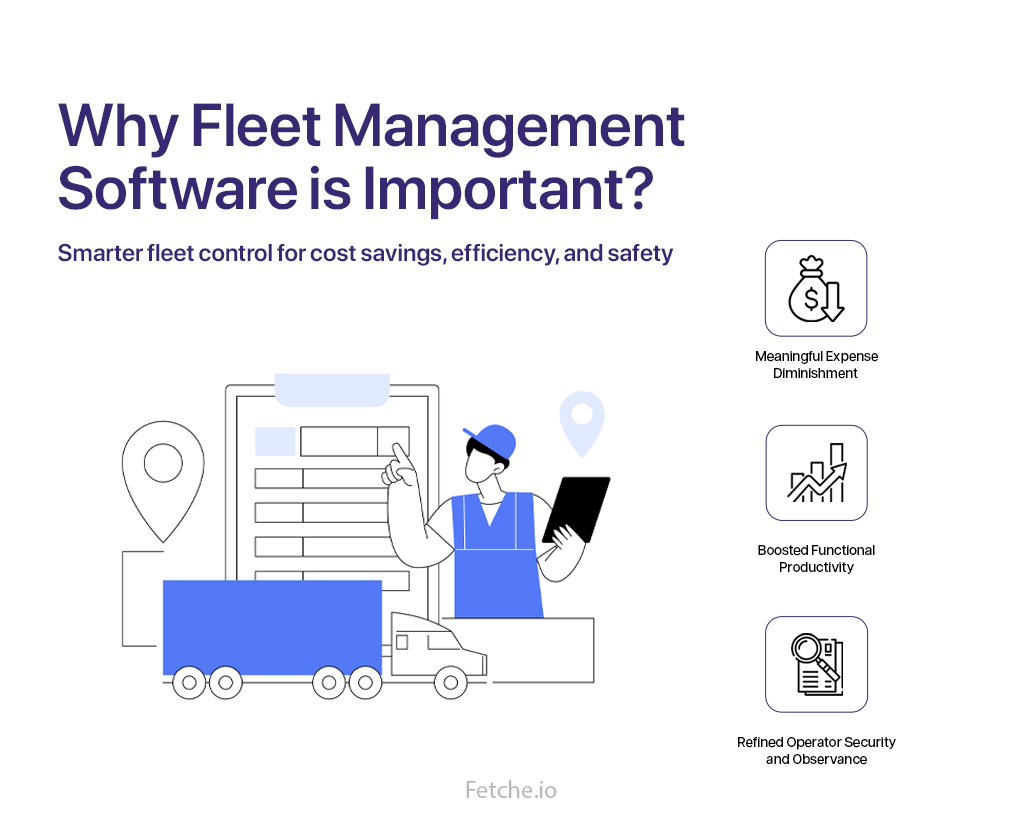
To grasp why this innovation is transformative for the logistics sector, we must examine the concrete advantages it delivers to everyday functions.
1. Meaningful Expense Diminishment
A major catalyst for integrating fleet optimization software is the instant and quantifiable effect on the net profit.
- Fuel Oversight: Fuel generally represents a giant segment of functioning costs. By employing fleet tracking software, supervisors can track dormant periods and unapproved car usage, which are primary factors in energy loss.
- Path Refinement: Sophisticated logic assists operators in bypassing gridlock and street blockades, guaranteeing the most productive track is followed always. This doesn’t merely conserve minutes; it straightaway lowers gas usage.
- Anticipatory Upkeep: Shifting from responsive to preventative care thwarts pricey failures. The logistics management software notifies controllers of motor glitches or maintenance needs before they become high-priced, unplanned fixes.
2. Boosted Functional Productivity
Hand-operated handling is susceptible to person mistakes and substantial holdups. Fleet management software prioritizes logistics mechanization of mundane chores, permitting your group to concentrate on tactical choice-founding instead of documentation.
- Mechanization of Records: Programmed clock-marking and electronic journaling diminish the clerical load on both operators and administrative personnel.
- Live Transparency: Perceiving precisely where every automobile is situated at any specific moment permits superior asset distribution and more precise Calculated Intervals of Arrival (CIAs) for patrons.
3. Refined Operator Security and Observance
Protection is supreme in the logistics industry. Contemporary systems track operator conduct, such as violent stopping, fast speeding, and racing. By pinpointing these trends, firms can execute specific coaching schemes, decreasing the danger of mishaps and cutting protection costs.
Essential Attributes to look out for Premier Fleet Optimization Software
When assessing the best fleet management solutions for logistics companies in India, management authorities must seek out capabilities that propel practical outcomes and provide expansion potential. In the modern era of Fleet Management Software, simply having a digital map is insufficient; your organization requires a robust logistics management software that translates raw data into actionable intelligence to discover how fleet management software improves logistics efficiency.
To truly understand how to enhance operations, one must look at the technical pillars that support modern fleet tracking software. Below, we break down the vital components that every fleet optimization software should possess to remain competitive in 2026.
The Feature Matrix: Driving Operational Excellence
- Live Monitoring
Live Monitoring provides real-time updates on vehicle locations and mechanical health. By using this vehicle tracking system, dispatchers can refine routing instantly to bypass delays. This core feature of fleet tracking software is one of the top real-time fleet tracking benefits for logistics companies
- Fuel Analytics
Fuel Analytics serves as a major factor of logistics management software by mentioning specific inefficiencies that influence your budget. This feature recognizes detrimental patterns, such as excessive engine idling or unauthorized vehicle detours, which are primary contributors to energy waste. By leveraging these insights, companies can discover how to reduce fuel costs using fleet management software through the implementation of data-driven saving strategies. This automated oversight not only lowers overhead but also enhances the overall sustainability and profitability of fleet management software for small logistics businesses.
- Anticipatory Care
Anticipatory Care, or predictive maintenance, is a foundation of fleet optimization software that drastically reduces vehicle idleness. By leveraging a vehicle tracking system, the software organizes mending and repairs based on actual vehicle wellness and real-time diagnostic data rather than arbitrary schedules. This proactive approach helps fleet owners identify potential engine glitches or mechanical needs before they escalate into high-priced, unplanned fixes. For those utilizing fleet management software for small logistics businesses, this ensures that assets remain operational, directly maximizing uptime and long-term profitability in a competitive market.
- Operator Conduct Metrics
Operator Conduct Metrics function as a critical analytical layer within fleet management software, transforming raw driving data into actionable safety intelligence. By utilizing a sophisticated vehicle tracking system, the software monitors and grades specific motorist actions such as aggressive acceleration, harsh braking, and high-speed maneuvers to foster a ingrained tradition of protection and productivity.
For those seeking the best fleet management solutions for logistics companies in Philippines or Singapore, these metrics provide the objective evidence needed to implement targeted coaching programs. Identifying these behavioral trends allows fleet owners to proactively mitigate the danger of mishaps, which directly results in lowering insurance premiums and reducing vehicle wear. Ultimately, this feature of logistics management software ensures that the human element of the supply chain remains as efficient and secure as the mechanical one, protecting both the workforce and the company’s reputation in a volatile global market.
- Adherence and Statute
Adherence & Statute functions as a digital safeguard within fleet management software, ensuring all automobiles remain legally compliant and roadworthy. By utilizing automated notifications and electronic logs, this feature guarantees that machines stay authorized through timely alerts for permit renewals, inspections, and tax filings. For those utilizing the best fleet management solutions for logistics companies in India or Singapore, this eliminates the risk of human oversight and costly penalties. This systematic approach to logistics management software provides a transparent, auditable trail, allowing fleet owners to maintain a seamless, law-abiding operation in a complex global market.
| Feature | The Manual Struggle (Legacy) | The Fetche Solution (Smart Tech) |
| Data Accuracy | Prone to human error, compliance mistakes, and lost paperwork. | Automated Documentation generates digital logs and time-stamped records automatically. |
| Asset Visibility | Information “black holes” regarding vehicle locations and cargo status. | Live Monitoring provides instant briefings on vehicle positioning to refine routing. |
| Maintenance | Reactive repairs only after a breakdown occurs, causing massive downtime. | Predictive Analytics uses real-time diagnostic data to schedule mending before failures. |
| Fuel Control | No way to track idling or unauthorized detours, leading to massive waste. | Fuel Analytics pinpoints specific patterns of squander to implement saving strategies. |
| Compliance | Risk of missing permit renewals or failing inspections due to oversight. | Automated Alerts and digital records guarantee machines stay authorized and legal. |
The New era of Logistics
The revolution in global trade is already here, and the transition from manual “legacy” methods to smarter technology is no longer optional. Transforming logistics through Fleet Management Software like Fetche is the most effective way to enhance operations, protect your physical assets, and ensure long-term profitability. By leveraging real-time data and intelligent automation, your business can turn the daily challenges of a volatile modern supply chain into a significant and sustainable competitive advantage.
FAQ
Fetche slashes functioning outlays by substituting hand-operated workflows with mechanization. Petrol Statistics and Path Refinement identify squander and lower gas usage, while Anticipatory Care organizes mending before high-priced failures happen. Furthermore, Mechanized Record-keeping removes person mistakes, and Compliance & Regulation notifications avert pricey penalties, guaranteeing cars remain legal and lucrative.
Absolutely.Whereas major corporations utilize it for expansion, fleet management software for small logistics businesses is a crucial instrument for endurance. It mechanizes hand-operated choressuch as electronic journaling and adherence monitoring permitting tinier groups to rival bigger companies by concentrating on tactical development rather than labor-intensive documentation.
Standard GPS only shows a vehicle’s location, but live monitoring within a robust logistics management software provides a “bird’s-eye view” of the entire operation. It delivers immediate briefings on both automobile positioning and mechanical health. This allows dispatchers to enhance routing in real-time to bypass traffic or geopolitical bottlenecks, ensuring much more accurate ETAs for your clients.
Adherence & Statute features act as a digital safeguard. The system uses automated notifications and electronic logs to guarantee that all machines stay authorized for operation. It tracks permit renewals and inspections automatically, which is essential for maintaining a law-abiding reputation in strict markets like India, Singapore, or the Philippines.
Yes, A fleet management software give real-time updates and allows quick route changes, helping you respond faster to delays and keep deliveries on track.
Implementing fleet management software is usually much simpler than most businesses expect. Modern solutions like Fetche are designed to integrate smoothly with your existing workflows, requiring minimal disruption. With guided onboarding, user-friendly dashboards, and support teams to assist during setup, businesses can start seeing value quickly. Even teams with limited technical expertise can adapt easily, making the transition from manual processes to digital operations both smooth and efficient.