
Introduction: The Rise of Digital Freight in Logistics
The logistics industry is in the middle of a fundamental shift. What was once driven by phone calls, spreadsheets, emails, and manual coordination is now being replaced by intelligent digital systems that prioritize speed, automation, and visibility. This transformation is being led by Digital Freight Platforms, which are redefining how freight is booked, managed, and executed.
However, digital freight is not just about moving cargo faster. It represents a deeper shift toward connected, data-driven logistics operations where technology becomes the foundation of decision-making.
How Digital Freight Platforms Are Changing Logistics
At their core, digital freight platforms simplify and modernize the transportation layer of logistics. Instead of fragmented communication between shippers, brokers, and carriers, everything is managed through centralized digital systems.
One of the most significant changes is Digital Freight Matching, where algorithms automatically connect shipments with available carriers based on location, pricing, and capacity. This removes manual negotiations and dramatically speeds up the procurement process.
Another major impact is benefits of real-time supply chain visibility. Instead of relying on delayed updates, logistics teams can monitor shipments live, track delays, and proactively resolve issues. These benefits extend beyond tracking. It improves planning, reduces uncertainty, and strengthens customer trust.
Digital freight platforms also contribute to sustainability. By optimizing routes and improving load utilization, companies can clearly see how digital freight matching reduces empty miles, leading to lower fuel consumption and better asset usage.
From a broader perspective, this wave of Freight tech innovation is turning logistics into a highly data-driven industry where insights, automation, and system integration matter more than manual effort.
The Role of AI and the Logistics Workforce
As digital freight systems mature, artificial intelligence is becoming a critical layer in logistics technology. AI now supports demand forecasting, route optimization, fraud detection, and pricing models.
The Impact of AI on logistics workforce 2026 is expected to be significant, but not in the sense of replacing people entirely. Instead, AI shifts the nature of work. Operational teams spend less time on repetitive tasks and more time on strategic planning, exception handling, and performance analysis.
This evolution allows logistics professionals to move from being coordinators to becoming decision-makers supported by intelligent systems.
The Missing Layer: Operational Execution and Control
While digital freight platforms excel at procurement and transportation, many logistics companies still struggle with operational execution. Booking freight is only one part of the journey. The real complexity lies in managing what happens before and after the shipment.
Common operational challenges include:
- Managing hundreds of shipments across regions
- Coordinating fleets, drivers, and warehouses
- Handling documentation and compliance
- Monitoring KPIs and delivery performance
- Maintaining consistent customer communication
This is where digital freight alone is not enough. Without a strong internal system, logistics teams end up with disconnected tools and fragmented visibility.
Where Fetche Fits in the Digital Freight Ecosystem
Fetche positions itself as the operational backbone of modern logistics. While digital freight platforms focus on moving cargo, Fetche focuses on managing the entire operational lifecycle around that movement.
Built as a Cloud-based logistics in Singapore , Fetche centralizes shipments, fleets, drivers, warehouses, and documents into one unified system. Instead of juggling multiple tools, teams can operate from a single source of truth.
With Fetche, logistics companies can:
- Track cargo from origin to destination
- Automate workflows and documentation
- Manage fleet and warehouse operations
- Monitor real-time performance metrics
- Generate analytics for strategic planning
In regions like Southeast Asia, especially for companies using Freight Forwarding Software in Philippines, this kind of centralized control becomes essential for scaling operations without increasing complexity.
Building a Modern Logistics Tech Stack
The future of logistics is not about choosing one platform. It is about building a connected ecosystem where different technologies work together.
A modern logistics tech stack typically includes:
- Digital freight platforms for capacity and booking
- Logistics ERP for operational control
- Analytics systems for performance tracking
- Integrations for data synchronization
Why This Matters for Logistics Companies
Logistics companies that adopt digital freight without upgrading internal systems often face hidden inefficiencies. They gain speed in booking but lose control in execution.
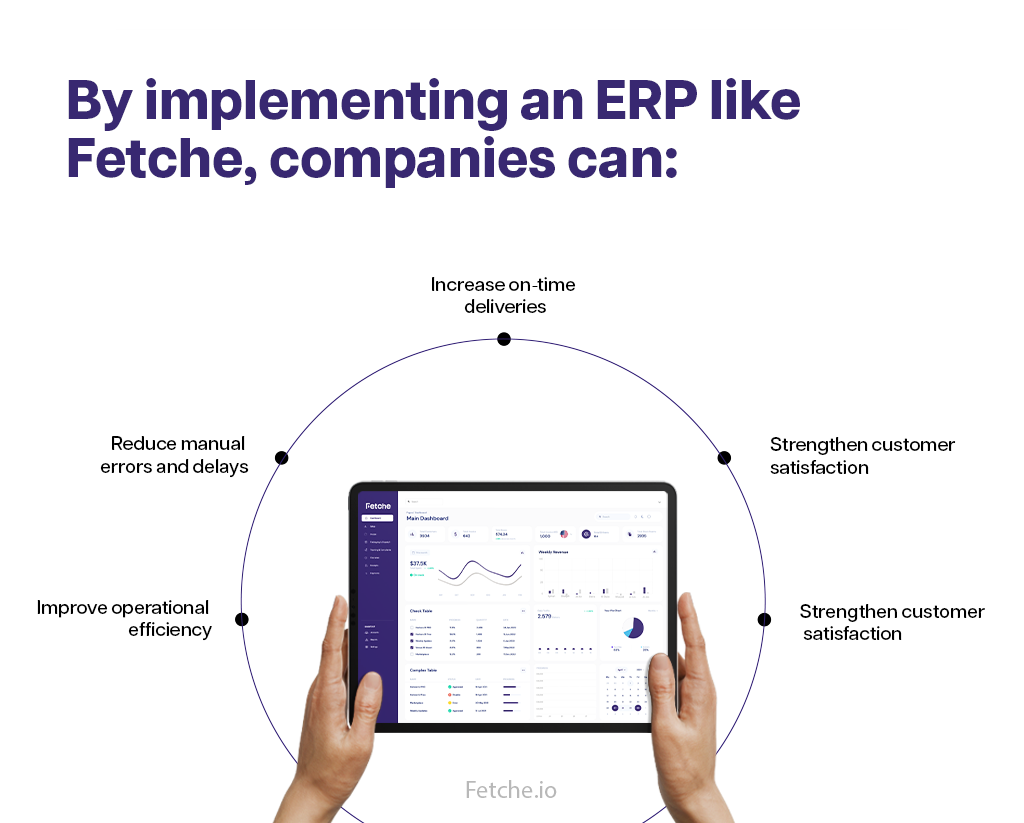
By implementing an ERP like Fetche, companies can:
- Improve operational efficiency
- Reduce manual errors and delays
- Increase on-time deliveries
- Strengthen customer satisfaction
- Scale operations sustainably
This is the difference between digital transportation and true digital logistics. One moves freight. The other builds a resilient, data-driven operation.
From Digital Freight to Digital Logistics
Digital freight platforms have reshaped how transportation works. They introduced automation, transparency, and instant access to capacity. But transportation alone does not define logistics success.
Real transformation happens when freight innovation is supported by strong operational systems. When digital freight platforms integrate with logistics ERPs, companies gain full visibility, control, and intelligence across the supply chain.
Fetche bridges this gap by turning digital freight activity into structured, measurable, and optimized operations. It helps logistics teams move beyond just shipping goods and toward running a fully connected digital logistics ecosystem.
In the future, companies that combine digital freight with operational intelligence will not just compete on cost or speed. They will compete on efficiency, experience, and adaptability in an increasingly complex global logistics landscape.
Book a demo now and see how Fetche simplifies your logistics operations end to end.
FAQ
A digital freight platform is an online system that connects shippers and carriers through automated processes. It allows users to book loads, compare prices, track shipments, and manage documentation without relying on manual coordination or traditional brokers.
Uber Freight simplifies freight booking by offering real-time pricing, instant carrier matching, and live shipment tracking. This reduces delays, improves transparency, and helps logistics teams make faster, data-driven decisions.
Digital freight platforms focus mainly on transportation and load booking. Logistics ERP systems manage the full operational lifecycle, including fleet management, warehouse operations, documentation, compliance, and performance tracking.
Freight booking solves only one part of logistics. Companies still need systems to manage execution, monitor KPIs, handle exceptions, and coordinate internal teams. Without this, operations become fragmented and difficult to scale.
Freight Forwarding Software Philippines helps local and regional logistics companies manage shipments, customs processes, documentation, and carrier coordination within a single platform. It enables better visibility and smoother execution in cross-border operations.
Freight Forwarding Software Singapore supports high-volume logistics environments by centralizing data across fleets, warehouses, and partners. It allows companies to integrate digital freight platforms with internal systems for end-to-end operational control.